(Re)member
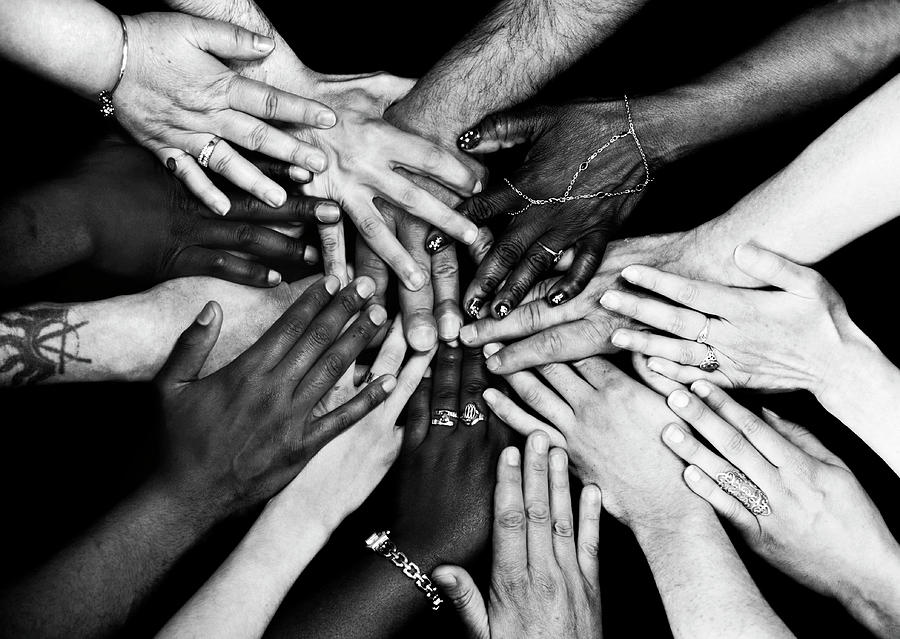
Pain (re)members us.
Gregory Boyle, The Whole Language: The Power of Exquisite Tenderness
The only way to ease our pain is to experience it fully…Then we begin, due to our own wisdom, to move toward letting go and fearlessness. Due to our own wisdom, we gradually stop strengthening habits that only bring more pain to the world.
Pema Chodron, Taking the Leap
Emotional pain brings our attention to the parts of ourselves we have orphaned, forgotten, marginalized. Oftentimes these are parts of ourselves that were neglected or wounded when we were children. We can spend a lot of time ignoring or numbing the emotional pain because it is hard to sit with the uneasiness, shame, and vulnerability. At the root of addictions, is a longing to numb this pain with alcohol, food, sex, work, relationships, violence. The spiritual traditions encourage us to try a different path, one of opening to the pain and eventually making the wounds beloved. This is a hero’s journey that takes great courage and practice but one that eventually allows us to live with more freedom, compassion, and peace with ourselves and others.
We can be fooled into thinking that the wounded parts should remain dismembered since they represent our weaknesses and vulnerabilities. It can seem as if life would go a lot better if we could just leave these parts behind or whip them into shape. Then we might be strong enough to succeed. We treat life like a competition that we need to win to be happy. The only thing keeping us from winning are these loser parts. So, we strive to be stronger, more beautiful, younger looking, healthy, smart, and clever so we might overcome weaknesses. Or we give up altogether and go on a bender.
But what if the point of life is not to win the race but to find belonging, kinship and deep communion with ourselves and others. What if our contentment depends not on winning but in making sure everyone (and every part) makes it over the finish line together?
Asana is a powerful practice to bring the forgotten places into the fold again. Yoga means integration. In asana, we cultivate an exquisitely sensitive awareness of our inner and outer bodies, the skin of the shin, the depth of the lungs, the texture of the tongue, the length of the navel band. Through this sensitivity we become aware of the parts that we have forgotten and neglected and can begin to bring movement there. But the movement at first can be painful tapping not only physical tightness that needs release but also emotional pain that has been lodged in the tissues, marrow, muscles, bones, and organs. Like our wounded parts, the pain we experience in asana is an invitation to be with and (re)member the forgotten parts.
It is not easy to stay with the pain of opening. It can seem like we are not getting anywhere, that working with the stiff parts slows us down, that the stiffness means we are not “good” at asana, are not winning the yoga competition. In forward bend, we may be tempted to push the forehead to the shin to achieve what we think will look like a successful asana. But this forward bend is meaningless unless we move the spine in and forward, taking the spine into the forward bend not leaving it out. Bringing life and space to a collapsed forgotten spine is how we (re)member the body.
And when we (re)member the body, we also are (re)membering how to be kinder and intimate with others. How we treat the recalcitrant parts of our body/mind is not unlike how we treat others. The extent to which we embrace the wounds in ourselves is the extent to which we can embrace the wounds in others. This is the ground of deep communion, peace, and community.


Comments
Post a Comment