Broken
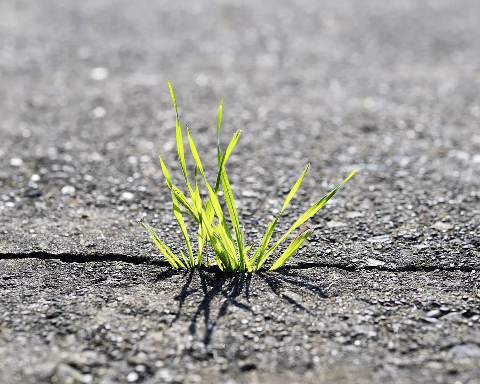
In this interval where the broken images of the observer and the observed are being repaired there comes the intense feeling of loneliness….In listening to the story of the broken image, one can not only be free from it but one can transform the interval of loneliness into the creative moment of Aloneness.
Rohi Mehta, Yoga the Art of Transformation
I recently returned from a five-day trip to the White Mountains of New Hampshire. It was more retreat and pilgrimage than vacation. Because I was alone, it was an intense inner experience of silent observation and reflection along with long strenuous hiking. Because this is a place that I have been visiting for over 40 years, my days were filled with memories of the past. I was accompanied on this trip by the 15-year-old me, the 25-year-old, 40-year-old. My daughter was here in memory of past trips along with other friends and family. The places I visited were so drenched in memory my heart broke wide open with grief at all that had been and the joy at what had come so unexpectedly. Because I was intimately and compassionately with myself during this trip, the tender observer of the observed, I was alone but not lonely.
When I first hiked in these mountains as a teenager, a new feeling of freedom and awe was awakened. Reaching the peak of Mount Washington for the first time, after the most arduous physical effort I had ever expended, was exalting. The exertion calmed my body but also my mind because I had to focus so intently on each step and breath in order to keep going. When we had started out, it did not seem possible that I could actually hike to the top. That each small step followed by another got me there taught me something profound about courage, persistence, and faith. I felt in that hiking a homecoming with myself, as resilient, safe, strong, and free. For a long while after, I wanted to be a mountain climber so I could feel this freedom and strength, this homecoming.
In Rohi Mehta’s translation of the yoga sutras, he equates Kaivalya (freedom) with aloneness, “In the Kaivalya Pada, Patanjali speaks of this secret where the despair of loneliness gives place to the joys of Aloneness, Kaivalya, Absolute Freedom.” Aloneness is not what we usually associate with Freedom. There is the ethical ideals of freedom from want, from harm, from imprisonment which we strive for in social justice. Then also the uniquely American definition of freedom as, “I can do whatever the heck I want to do if it makes me happy!” The idea of freedom in the yoga sutras instead refers to an inner experience not an outer. Freedom comes when we break through the armor we place around our hearts because we are ashamed of ourselves, our wounds and allow the light of our innerself out.
Loneliness, the opposite of freedom, comes when we are not able to embrace our wounds but remain ashamed of how we are so different than what we had hoped to be. Often our sense of self was lost due to a change in the outer circumstances in which we had defined ourselves. We lose a job, a lover leaves, a father dies and we stumble and fall into a place of unknowing who we are if we are no longer the worker, the lover, the daughter or son. It is not an easy place to be, this shedding of an old self. And in this despair we reach for the protective coating of the old identity or we escape into numbness. Freedom comes when we can be with the hurt parts with love so that they maybe transformed into sources of love that are not dependent on outer circumstances.
We tend to think of loneliness as a personal failure. If only we were better at making or keeping friends, of being more popular. We are ashamed to admit this failure. But loneliness visits everyone the young and old, healthy and ill, single and married, the childless and parent because it is a natural part of finding out who we are at our core. Loneliness comes when we forget that there is a part of us that accompanies us throughout our entire life, the observer who knows all of our strange habits and ways of being, all of our fear and lack of generosity, all that we long for and desperately cling to. This part also holds our weeping hearts and dances with us when we make it to the top of the impossibly high mountain.
Alone in the mountains last week, I was accompanied by an old friend who knew the eager and amazed 15-year-old climbing a high mountain for the first time, the mother walking the long trails with her own mysterious teenager, the woman who led her lover to the waterfall that held her most intimate secrets.


Comments
Post a Comment