Good for nothing
When my grandmother Philippa was nearing 80 she said to me, “I’m not good for a anything.” We were out celebrating Nunzio’s 90th birthday (my grandfather, her husband) at an Italian restaurant in Boston. We had a back room reserved for the 20 children and grandchildren gathered. I had taken Philly to the bathroom. By then, she was having trouble getting up and down and walking by herself. A heavy woman, the diabetes made her knees ache. When she said this I was helping her off of the toilette. I told her, “I love you grandma, you mean so much to me,” but I felt hopeless to sooth her.
What are our lives good for? What gives them purpose and meaning? Old people, especially in our culture, in their frailty and illness are particularly susceptible to feeling isolated, forgotten, and unworthy. No longer working or caring for others but needing care and assistance, they have lost the financial and physical means which gives most of us a sense of autonomy, power, and freedom. Yet this question of purpose and meaning is not just relevant to the old but to all of us. At some point in life, we have to come to wonder what value our lives have beyond what we earn and consume and even who we have cared for.
My grandmother worked from a young age in menial jobs starting with the piece work sewing she did alongside her mother in their tenement apartment on Flatbush Avenue in Brooklyn New York. Right before she was to begin high school, her father died, and she had to leave school to help support herself and her mother. After marrying Nunzio at 24, she cleaned other people’s houses, cared for their children, and cooked for the nuns at St. Patrick’s church along with doing all these things for her own three children. When I came along, I lived with my parents in the downstairs apartment of the two-family house that Philly and Nunzio owned. The low rent made it possible for my parents to eventually buy a cabin in New Hampshire where we spent summers and later their own house in a neighboring town with a good high school.
I grew up surrounded by my grandmother’s love which was the most unconditional that it got in my family. I watched her cooking meals and baking, bringing loads of wet laundry up the two flights of stairs to hang them on the line from the kitchen window, scrubbing the back steps by hand. My mother did these things too but she had a job at the bank that got her out of the house every day and an active social life with friends she had since high school. Philly didn’t drive so enlisted my mother for a ride to the square for shopping, took a taxi, or pulled the wheeled cart the one mile into town. She sang to me when she was happy and danced. She spent most of the days of her life in that small two-family apartment with the rare trip to New Hampshire and the one trip to Italy.
There is not a day that goes by that I do not think about her, with the egg white stiff hair teased by Nunzio - the hair dresser – into a bleached blonde crown, her rubbery girdles hanging like pig skins in the shower stall, the witch hazel she rubbed into her aching knees at the end of the day. I think of her when I hike and swim and practice yoga, movement she didn’t have access to in her own life but that brings me such joy and freedom. I think of her when I am at the computer working. I remember her during those last years in the nursing home when she did not remember the lunch she had just eaten, when there were no more songs or hugs when I left.
When Nunzio died she had already been in the nursing home for five years. He had tried three times to break her free but, in the end, relented because he knew he could not take care of her any longer. For all those years, he took a taxi to the nursing home that was a few miles from the two-family house and spent the day sitting next to her before going home for his own dinner and bed. We took her to Nunzio’s wake where she kept saying, “I didn’t know he was sick.” She wasn’t well enough to go to the church or the grave. After a few days of repeating, “I didn’t know he was sick,” she stopped asking about Nunzio sinking back into the quiet still place where she spent most of her days.
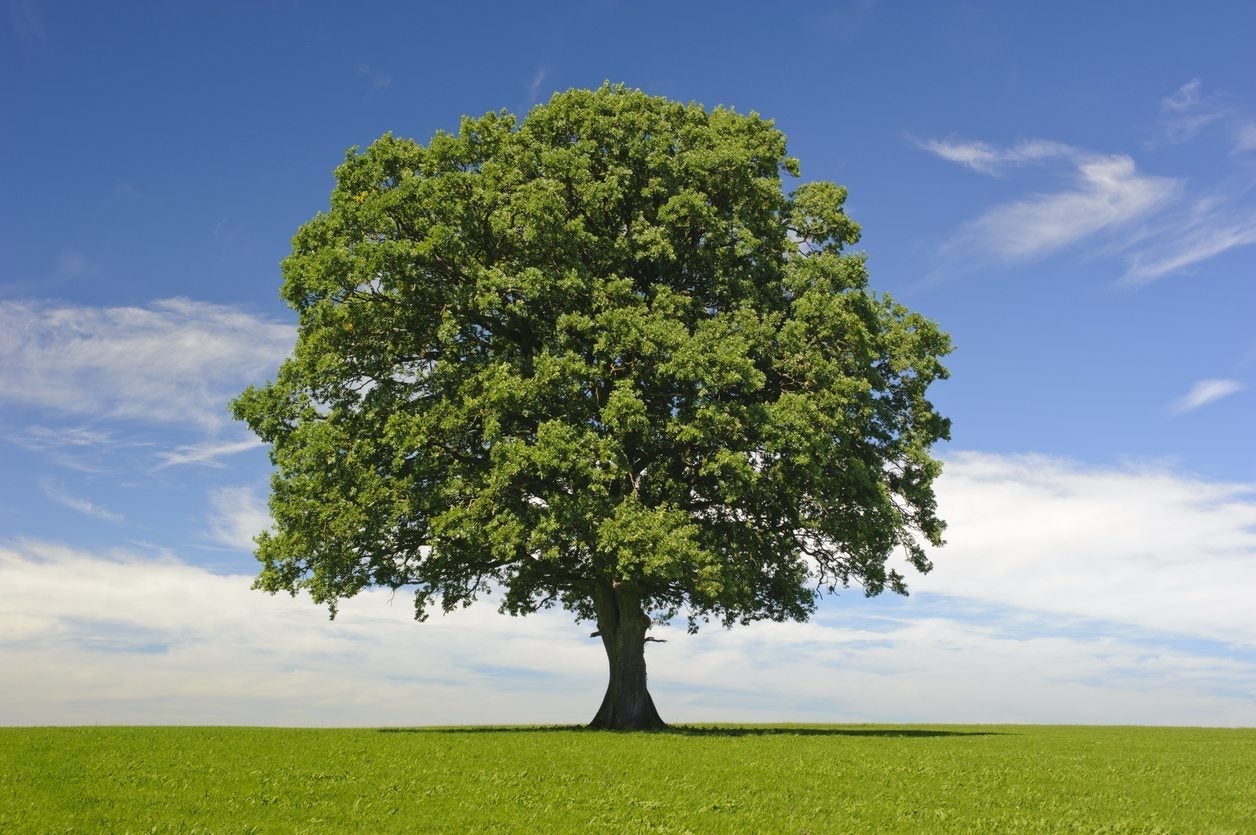
She is gone almost 20 years now. When I am sad or lonesome, bereft of some loss, I imagine visiting with her in a beautiful meadow under a large ancient oak that offers a cooling shade. She is no longer in pain and strong enough again to dance and sing. Nunzio is there too along with my father celebrating my arrival.


Comments
Post a Comment